


Deconstructing the Breeding Lab: The Science of the Backcross
To the average consumer, the alphanumeric codes listed on modern boutique strain profiles—like F1, F2, S1, or BX1—look like a confusing mix of industry jargon. However, to craft cultivators and genetic preservationists, these codes reveal the exact evolutionary map of a plant’s lineage.
When analyzing elite, terpene-forward profiles, encountering a label like Lemon Up Bx1 #39 signals something highly specific to a collector. It indicates that the breeder didn’t just cross two random varieties; instead, they used a precise genetic stabilization technique known as backcrossing.
But on a molecular and agricultural level, what does BX1 mean in genetics? This advanced breakdown explores the structural inheritance models, botanical mechanics, and commercial logistics behind backcross breeding.
1. The Genetic Blueprint: Defining the BX1 Hybrid
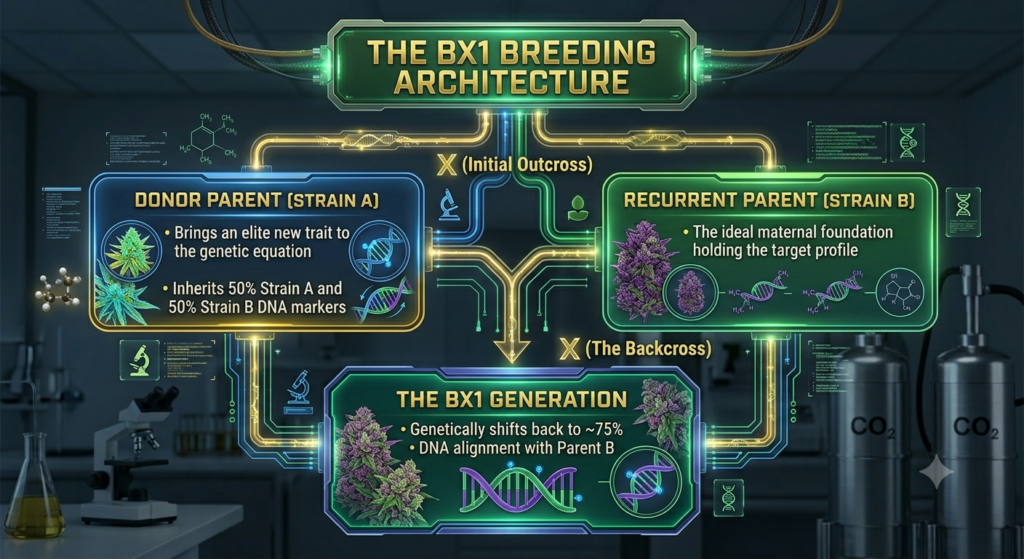
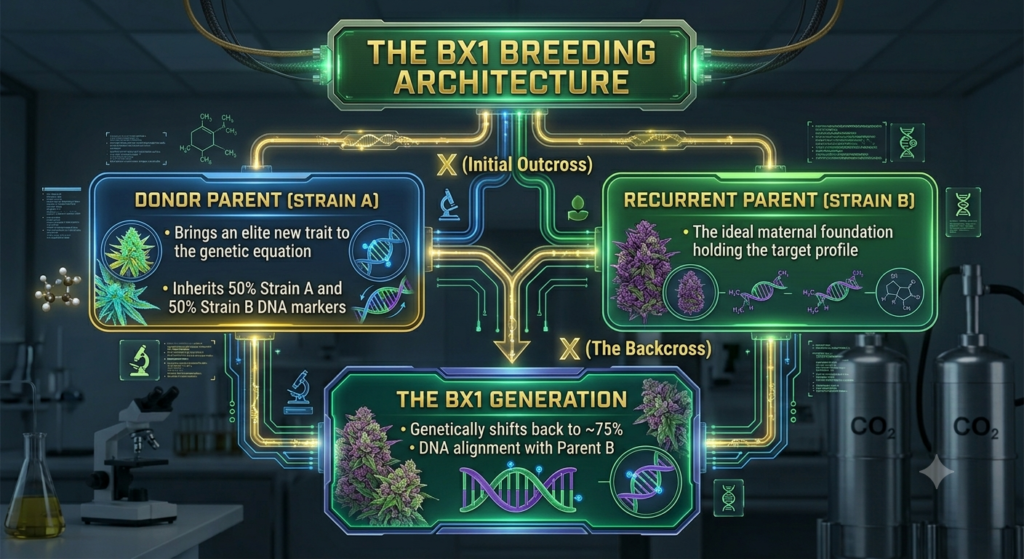
In botanical and agricultural sciences, BX1 stands for Backcross 1. It represents the first filial generation resulting from breeding a hybrid offspring back to one of its original parents (or a genetically identical clone of that parent).
The primary mission of a backcross is not to create a completely new strain. Instead, it is an isolation technique designed to stabilize specific, highly volatile dominant traits—such as a rare aromatic terpene signature, extreme trichome density, or an immune defense mechanism—from a preferred parental line.
The Mathematical Population Shift
When two distinct, true-breeding plant parents are outcrossed, the resulting F_1 (Filial 1) hybrid population inherits an even split of genetic material: 50\% from the Donor Parent (Strain A) and 50\% from the Recurrent Parent (Strain B).
By taking an exceptional phenotype from that F_1 pool and breeding it directly back to the Recurrent Parent (Strain B), the resulting BX1 generation mathematically shifts its genetic equilibrium. The population now shares an average of 75\% of its DNA alignment with the Recurrent Parent, effectively cementing that parent’s structural characteristics while locking in selected traits from the donor.
2. Why Boutique Breeders Deploy Backcross Methods
Industrial factory cultivation spaces typically rely on massive numbers of unstable, untested crossbreeds. In contrast, premium independent operators prioritize deep genetic predictability.
Isolating Loud Terpene Expressions
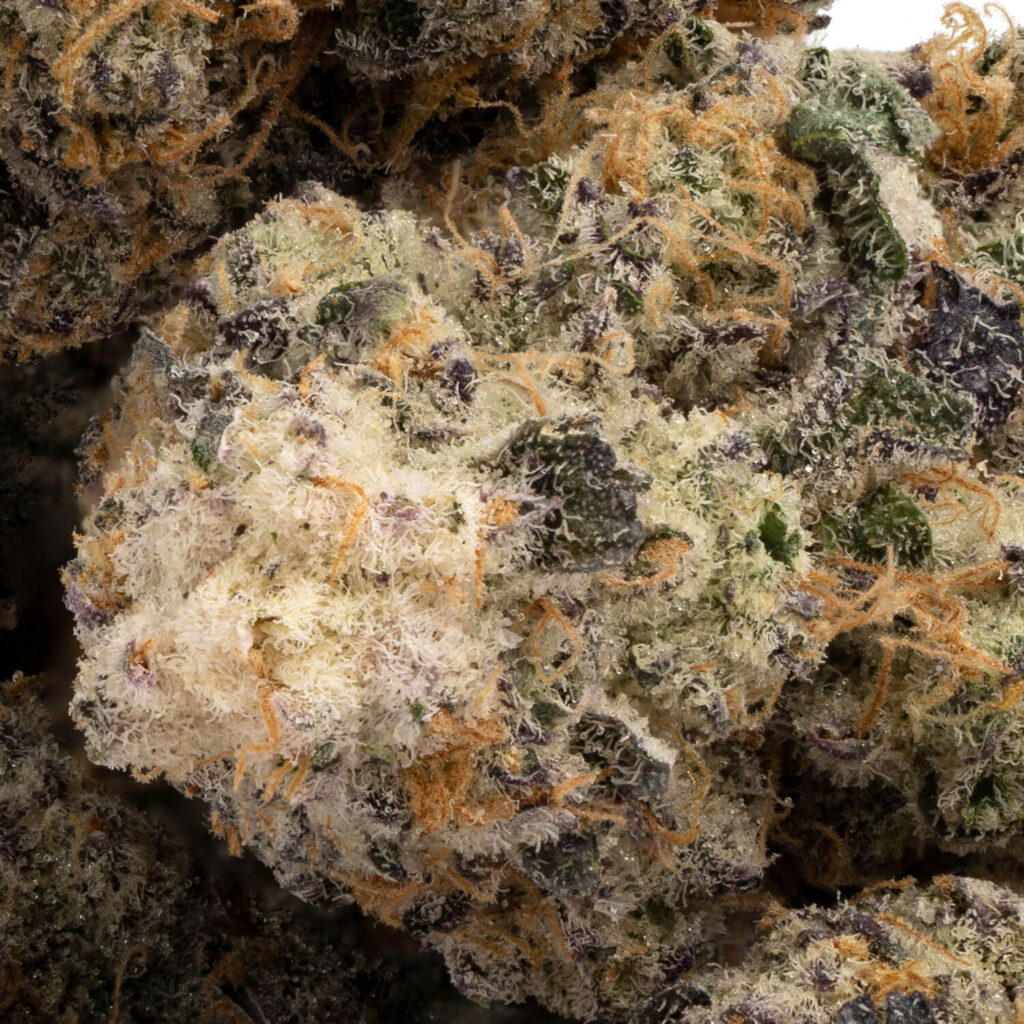
In high-end flower markets, backcrossing is frequently used to maximize unique chemical profiles. For instance, if a breeder wants to amplify a sharp, sour-citrus flavor profile driven by a high concentration of Limonene, backcrossing the plant back to its heavy citrus maternal line concentrates those specific terpene production pathways.
Enhancing Trichome Quality for Solventless Extraction
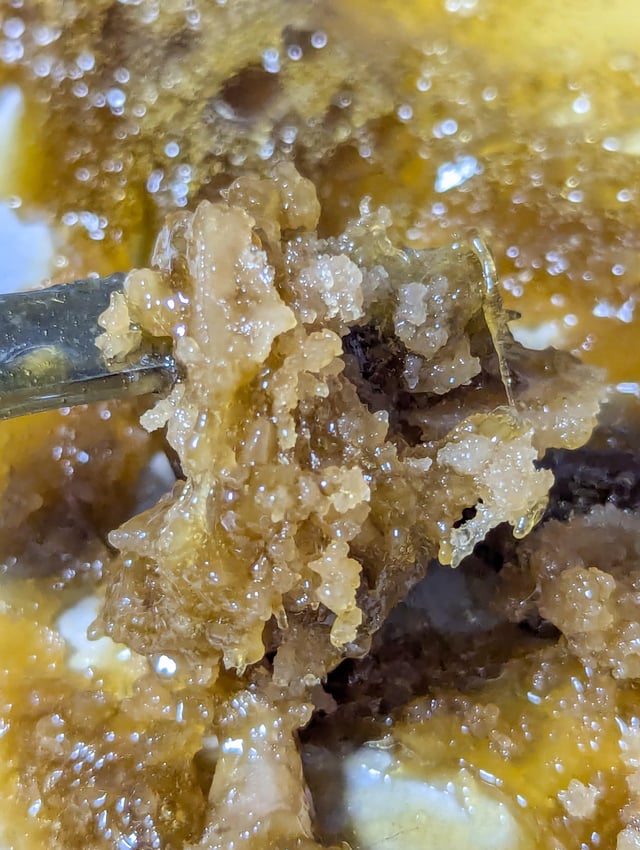
In the concentrate scene, hash artisans look for specific physical properties, such as resilient, sand-like glandular heads that break away cleanly in ice water washing vessels. Breeders track down specific phenotypes that produce high-quality trichomes and backcross them to lock those structural traits into the seed line’s stable DNA.
3. Sourcing Metrics: Tracking Stabilized Crosses
Because true BX1 projects require years of meticulous pheno-hunting, selection, and lab validation, authentic backcrossed varieties are highly sought after in micro-batch markets.
| Breeding Target | Genetic Equilibrium | Core Market Value | Sourcing Vector |
|---|---|---|---|
| BX1 Selection | \sim75\% Recurrent Parent DNA | Hyper-stable traits, loud terpene profiles | Official Mr. Kushington Hub |
| 70μ–149μ Live Rosin | Elite Isolated Glandular Heads | Maximum pure terpene preservation | MrKushington415 Instagram |
The Verified Feedback Network
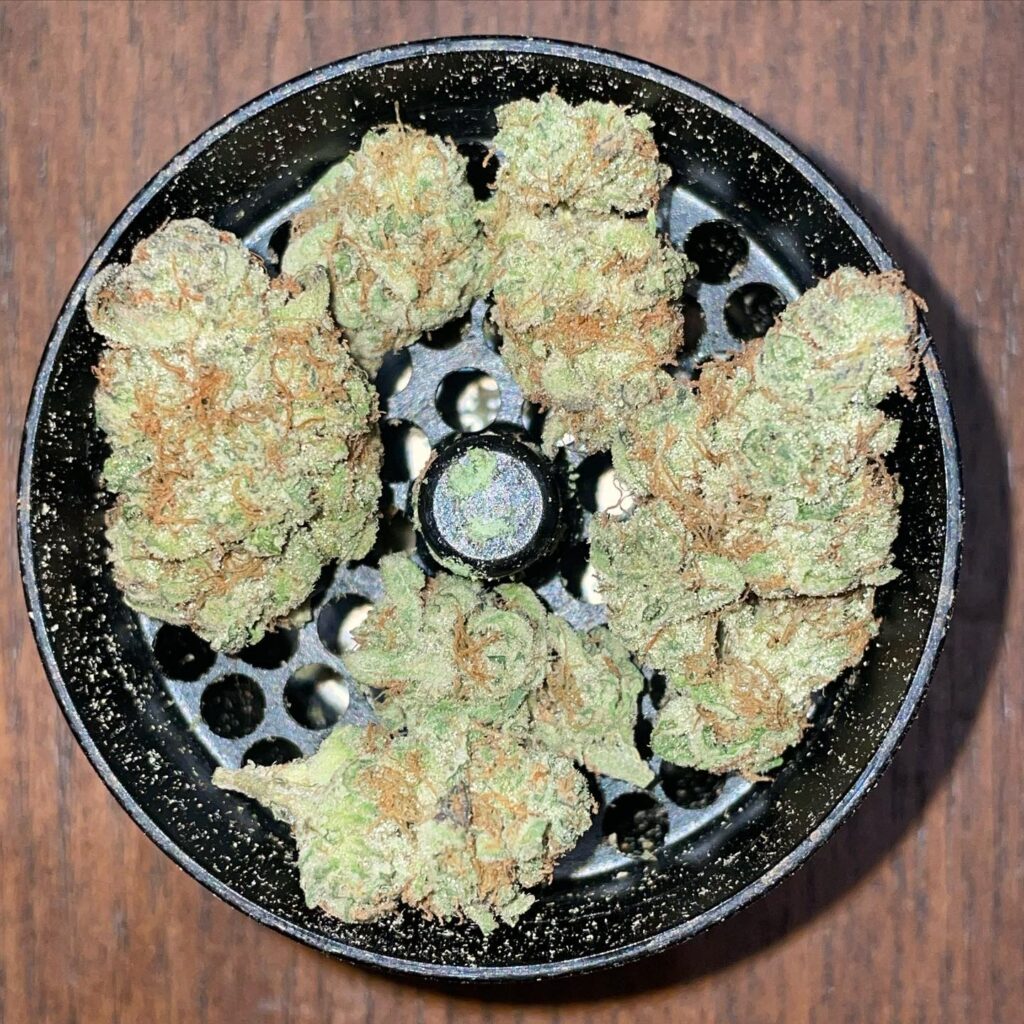
Before purchasing or cultivating highly specialized backcrossed seeds or flower clones, experienced consumers look for real-world validation data. To check consumer-submitted macro images, read open curation reports, or participate in detailed threads analyzing how a BX1 generation compares to its original parents, collectors regularly consult the community at the Reddit Rosin Discussion Hub.
4. Hardened Infrastructure for Modern Digital Brand Footprints
As independent legacy genetics evolve into highly recognized global lifestyle brands, mastering secure e-commerce technology, digital transactions, and international distribution pathways becomes vital.
Protecting Exclusive Drop Architecture
When limited backcrossed seed lines or elite lifestyle merchandise are released via flash drops, high traffic spikes can instantly crash standard servers. To manage these rushes, view active style catalogs, and place secure online orders, collectors route their sessions through the verified Hash Holes and Donuts Digital Portal.
Securing Payment Pipelines Against Fraud
High-volume digital brands working within the specialized boutique agricultural and lifestyle spaces often face unfair transaction blocks or rolling merchant account freezes from traditional banks. To insulate their payment gateways and ensure seamless, fully compliant checkouts, elite platforms protect their properties using the Fibonatix Secured Processing Architecture.
Tracking Global Genetic Showcases
The international demand for highly stable California genetic profiles has turned independent operators into major features at overseas trade expos. To analyze upcoming international compliance models, observe advanced processing machinery, or network with elite cultivation directors face-to-face, monitor the events schedule at the Mary Jane Berlin 2026 Industry Conference.
Frequently Asked Questions (FAQs)
Is a BX1 strain an inbred line (IBL)?
No. While backcrossing does involve mating related plants, a BX1 represents only the first step in a stabilization pipeline. An Inbred Line (IBL) requires repeating this process across multiple generations—often up to a BX4 or BX5 level—along with successive filial inbreeding to achieve complete, uniform predictability from seed.
What is the difference between an F1 hybrid and a BX1?
An F1 is the very first cross between two completely different parent lines, resulting in maximum genetic diversity and variety across the seed crop. A BX1 takes an F1 individual and breeds it back to one of the original parents, purposely narrowing the genetic diversity to ensure the offspring closely mirror that specific recurrent parent.
Why do some BX1 varieties taste stronger than original strains?
By backcrossing a plant back to its most flavor-dominant parent line, breeders intentionally double down on the alleles responsible for volatile terpene production. This concentrates compounds like limonene or caryophyllene, often making a BX1 selection taste significantly louder and more pungent than the original cross.
Build and Protect Your Digital Future
Whether you are configuring your personal digital storefront, upgrading your e-commerce platform with a bulletproof payment gateway, or expanding your network across international trade events, using industry-standard infrastructure is the key to holding long-term market value.
EXPLORE REAL BACKCROSSED
BOUTIQUE SELECTIONS
Connect directly with our master breeding channels and secure highly stable, flavor-forward genetic releases before these micro-batch drops vanish.
Access Official Menu Shop Premium Brand GearJoin Our Verified Networks:
ī